Level 2 EV Charger Installation in Georgetown
Park overnight on a Level 2 circuit and you wake up to a full battery, with the charger banking roughly 30 to 50 km of range for every hour it runs. For the Georgetown household that drives into the GTA each day, that is the line between scouting public chargers and just plugging in on the driveway.
Published
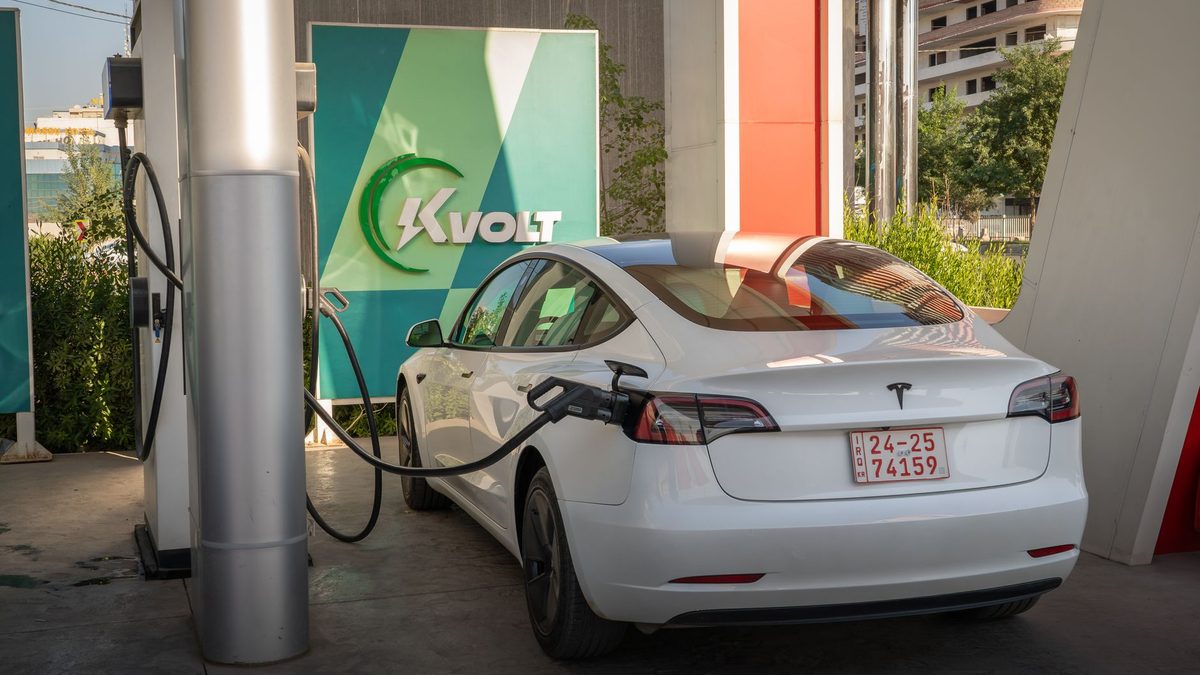
For a town of GTA commuters, Level 2 is the charging setup that actually fits the day. Georgetown EV Charger Pros installs these across Georgetown, in the newer subdivisions where the panel sits ready in the garage and in the older homes around the core where the wiring takes a bit more planning. The appeal is the same in both: you leave the slow wall plug behind and gain a dedicated 240-volt circuit that fills the battery overnight, every night, ready for the morning run down to the highway. This guide covers the speed, the home considerations, and what a tidy install looks like.
Why Level 2 suits a Georgetown commuter
The case is strongest for the household that drives into the GTA each day. The cord that ships with the car plugs into an ordinary outlet and claws back only a handful of kilometres an hour, which never keeps up with a daily run to Mississauga, Brampton, or further. A Level 2 charger on a 240-volt circuit adds far more per hour, so a single overnight session covers a full Georgetown-to-GTA commute with room to spare. You stop planning your week around where you can plug in.
Just how much faster Level 2 is
Put the two side by side. The supplied Level 1 cord on a standard household outlet recovers only a slow trickle of range, fine if you barely drive and useless for a commuter. A Level 2 circuit at 240 volts adds roughly 30 to 50 km of range for every hour the car is plugged in, depending on your vehicle and the breaker we run. For most Georgetown drivers that means a full battery by morning even after a long round trip into the city.
Older and newer homes, two panel stories
The most common question we field across town is whether the panel can take a charger, and the answer splits by housing stock. A newer subdivision build usually carries a 200-amp service with room to spare, so the charger circuit drops in cleanly. An older home near the downtown core is more likely to be on a 100-amp service, which is where a load calculation earns its keep. We measure your existing demand against the new charger circuit to see if there is headroom. If the panel is tight, a panel upgrade or a smart charger with load management keeps everything within safe limits.
Garage, driveway, and the cable run
Where the car sits matters as much as what is in the panel. Pull into an attached subdivision garage with the panel a couple of steps away and the run is short, the job quick. Move to an older home where the panel lives in the basement and the car sits in a detached garage, and that same cable has to be fished up, along, and back out, which adds hours and a little to the bill. A good share of Georgetown homes have no garage at all and charge off the driveway, so there it is an outdoor-rated unit fed neatly down the wall. Whatever the layout, we run conduit on any exposed stretch and finish the cable cleanly wherever it crosses into living space.
Matching the charger to your EV
The wall unit is not what sets your charging speed. A Level 2 charger will happily push 48 amps, but your car decides how much of that it accepts, and most onboard chargers cap somewhere between 32 and 48 amps. So we work backwards from your vehicle: the breaker and the unit get sized to what the car can actually take, with a touch of headroom for whatever a Georgetown family parks in the driveway next. No sense buying amps the car will leave on the table. If you drive a Tesla, our Tesla Wall Connector page covers that specific setup.
Hard-wired or plug-in
Speed is identical either way, so this comes down to how the home is set up and how you like to live with the charger. Hard-wiring gives the cleanest look on the wall and lets some units run at higher amperage, a good match for a settled garage spot in one of the newer subdivisions where the car always parks in the same bay. The plug-in route puts the charger on a dedicated NEMA 14-50 outlet, so you can pull it off the wall and bring it along if you move, which tends to appeal to owners in the older downtown homes who are not sure the current parking spot is forever. We talk through your unit and your driveway before calling it either way.
Charging overnight on Halton Hills Hydro
Cost is the quiet argument for Level 2. Halton Hills Hydro puts residential customers on time-of-use or tiered plans, and on the time-of-use side the late-night hours carry the lowest price on the schedule. Program the charger to hold off until that window opens and the battery fills at the bottom rate while the house is asleep, topped up for the drive to the highway. Rather than print a cents-per-kWh number that drifts out of date, we send you straight to Halton Hills Hydro and the Ontario Energy Board for what the rate is this month.
One car ahead
Georgetown households tend to grow into a second EV before they expect to, so it pays to wire for the driveway you will have, not just the one you have today. The cheap moves all happen while the assessment is still on paper: pick a unit that can share power down the road, pull a feed with a bit of extra capacity, and earmark a panel slot for a future circuit. Do none of that and the same upgrade later means reopening walls and a fresh callout, which is exactly the bill we try to spare you. So we point out these small decisions up front and let you choose, while the easy version is still on the table.
What to send before requesting a quote
- Your EV model, so we size the circuit correctly
- A photo of your panel with the door open
- A photo of the parking spot and the proposed charger location
- Whether you want a hard-wired unit or a plug-in setup, and whether your home is newer or older
Picture the morning commute starting with a full battery instead of a detour to a public plug. Send those details to the Georgetown EV Charger Pros team through our free quote form and we will come back with a fixed price and, where the panel cooperates, a same-day slot. The full price breakdown lives in our Georgetown cost guide.
Frequently asked
How fast is a Level 2 charger for a Georgetown commuter?+
A Level 2 charger adds roughly 30 to 50 km of range per hour, with where you land set by your car and the breaker size we run. For a Georgetown driver commuting into the GTA, that means a full battery by morning even after a long round trip down to Mississauga or Brampton.
Will a Level 2 charger work with my older downtown Georgetown panel?+
Often yes, but it depends on your service. Many older homes near the Georgetown core are on a 100-amp panel, and a load calculation checks whether there is room for the new circuit. If not, a panel upgrade or a load-managing smart charger keeps you within safe limits.
Do I need a 200-amp service for Level 2 in a Georgetown home?+
Not necessarily. Newer subdivision homes usually have 200 amps and take a charger easily, but plenty of 100-amp homes run Level 2 without an upgrade once a load calculation confirms the headroom. A load-managing smart charger can also make a 100-amp service work safely.
Can I install a Level 2 charger if I park on the driveway with no garage?+
Yes. Many Georgetown homes park on the driveway, and we install an outdoor-rated unit with a tidy feed along the side of the house. The charger and terminations are rated for Halton Hills winters, so it runs reliably year round.
How long does a Level 2 install take in Georgetown?+
Most installs finish the same day, usually in about three to four hours. A short run from a subdivision garage panel goes quickly, while fishing cable through an older home to a detached garage takes longer. If a panel upgrade is involved, we flag the extra time before starting.